
Stop Paying
For Poison.
Plastic is hiding everywhere.
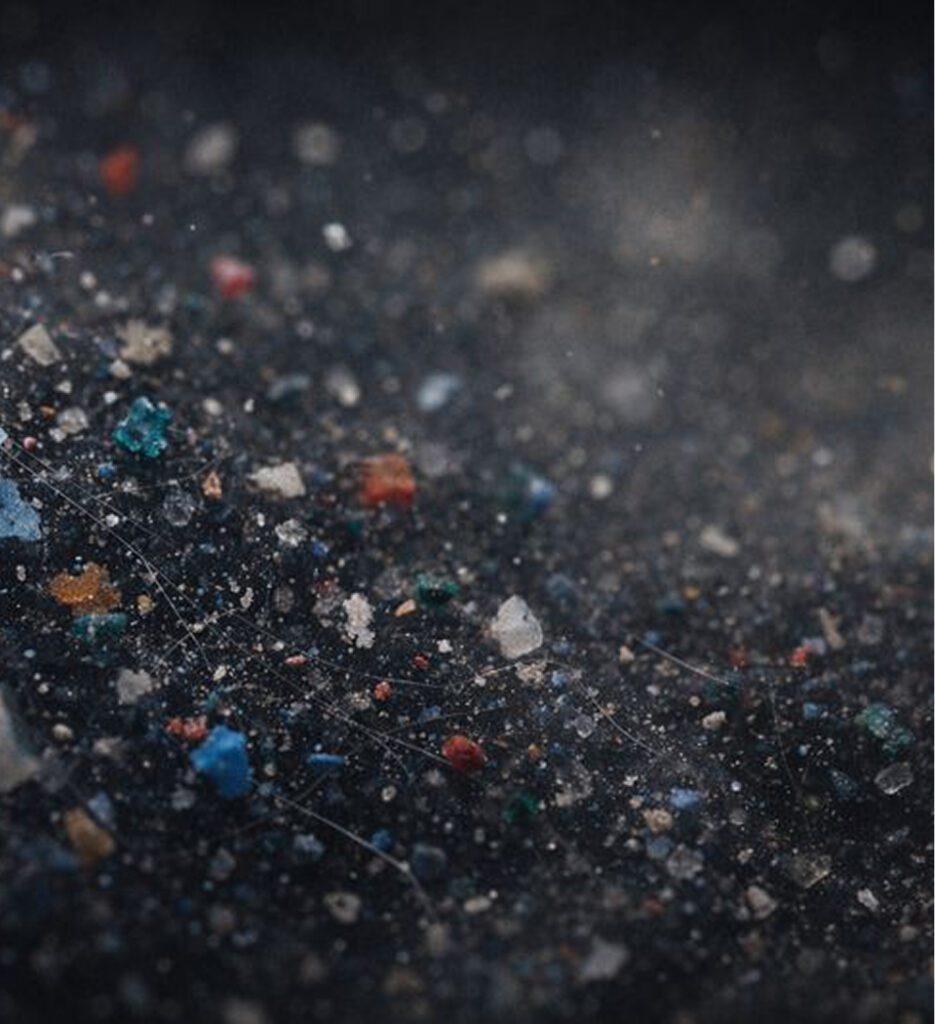
Even packaging labeled plastic-free relies on hidden coatings or layers that shed microplastics into soil, water, food, and bodies.
Food & packaging waste ends up in a landfill or the environment.
When waste goes to landfills, it doesn’t just disappear — it breaks down into methane, microplastics, and toxins that leach into soil and water. Buried, burned, or blown away, it releases greenhouse gases, pollutes waterways, and lingers for centuries in the environment.
Americans ages 6 and older have detectable levels of plastic in their bodies.
As microplastics accumulate in the body, they can induce chronic inflammation and negative oxidative stress resulting in DNA damage, metabolic disruptions, immune system responses, reproductive, developmental & potentially carcinogenic effects.
The trade-off brands were
forced to make
For decades, packaging demanded a compromise. Skip plastic and risk performance, price, or production timelines. Use plastic and absorb the growing costs of regulation, reputation, and risk.
Brands didn’t choose plastic because it was ideal — they chose it because no viable alternative could match its cost and performance at scale.

Plastic Problems
The performance of
plastic comes at a cost
Plastic delivers the durability, consistency, and price brands rely on at scale.Most sustainable alternatives fall short under real-world conditions, forcing teams to stick with materials that perform, even when they carry long-term consequences.
Unscalable Sustainability
The price of purity
keeps climbing.
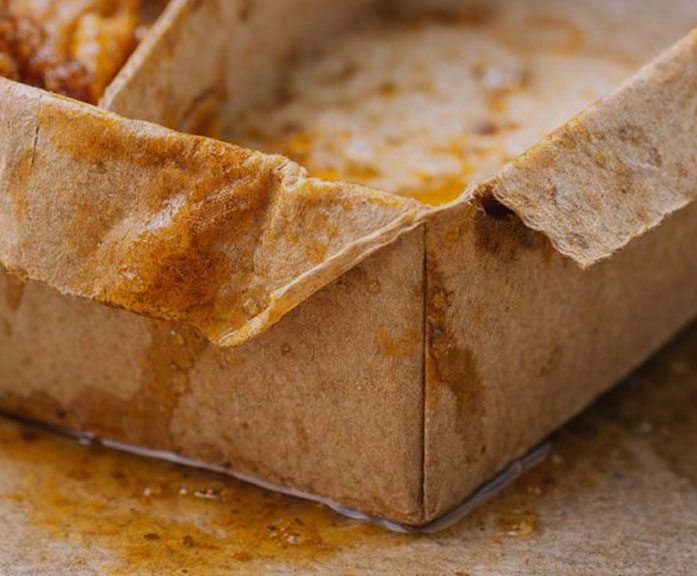
Eco-friendly options often cost more and fail to match plastic on oil holdout, moisture resistance, and heat tolerance — key performance markers brands can’t afford to miss. The result is a sustainability premium that can’t scale.

Rising Pressure
Sustainability is no longer
optional.
Consumers are demanding better across every industry, while regulators are accelerating fines, scrutiny, and enforcement. The trade-off brands were forced to accept is beginning to collapse under pressure.
The economics of
plastic are changing
Plastic decisions now carry downstream costs — from waste management and compliance to spoilage and inefficiency.
As consumer expectations rise and EPR, PPWR and SUPD regulations expand, packaging materials increasingly impact total cost of ownership. Reducing plastic isn’t just a sustainability goal — it’s a financial and operational one.
The performance and scale
of plastic—without plastic.
Finally.
The price of plastic
without the hidden costs

Terram delivers the protection and performance brands expect — while removing the hidden costs that come with plastic.
By reducing regulatory exposure, reputational risk, and health-related concerns, sustainability becomes an operational and financial advantage — not a trade-off.
Built on 100% bio-based innovation, Terram enables brands to move faster with confidence: scalable, compliant, and ready for real-world demands.

Industries we serve
Terram partners with brand leaders ready to move beyond plastic.
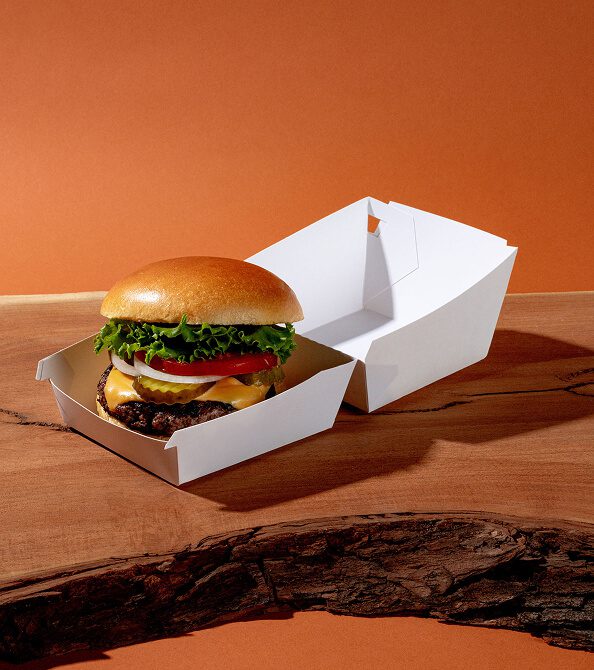
We deliver high performance under pressure—without plastic.
Fast-paced kitchens have met their plastic-free match with materials engineered to withstand heat, oil, and grease. Food stays fresh, hands clean, and operations smooth.

Freshness, convenience and compliance, at scale.
From freezer to oven, Terram’s materials hold up, delivering industry-leading shelf life and barrier protections compared with other bio-coatings.
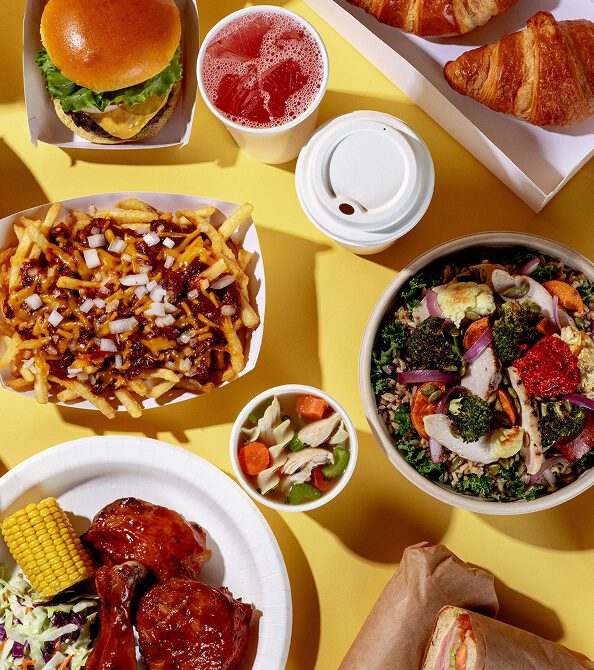
Health, safety, performance, and profit for every shelf.
Terram’s adaptable materials make plastic-free possible, from food and beverage to household goods and beyond.
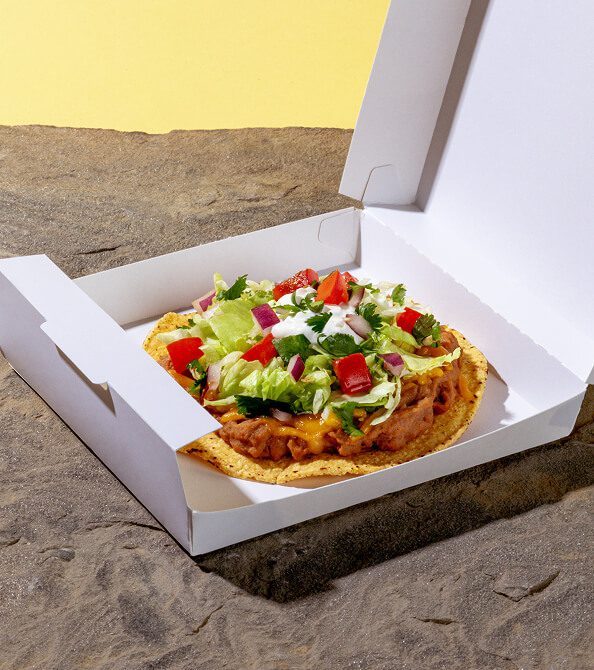
Plastic-free performance for every production line.
Our high-barrier coated papers integrate seamlessly into existing machinery, helping converters deliver premium, plastic-free packaging to customers across industries.